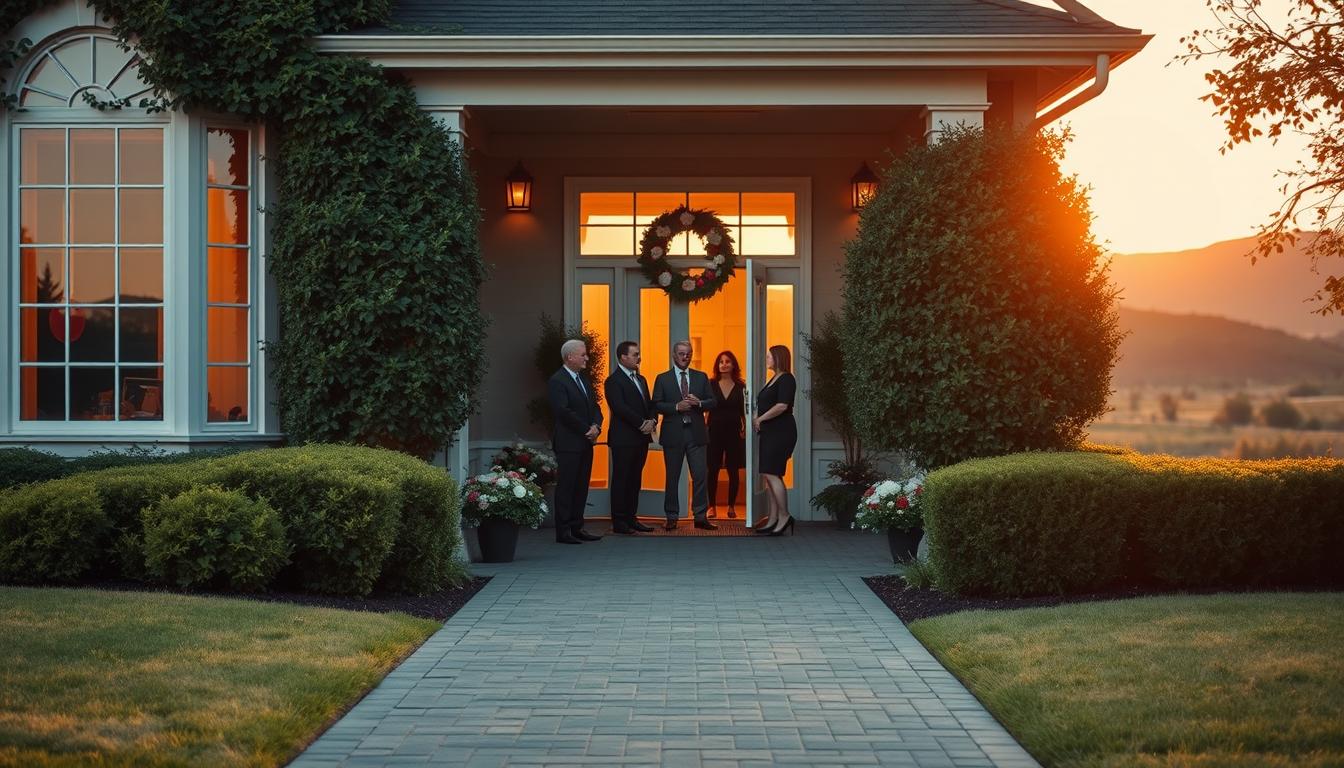
When dealing with the loss of a loved one, understanding the options available for funeral services can be overwhelming. Funeral homes across the United States offer a range of death care solutions to cater to different needs and preferences.
These establishments provide a variety of funeral services, from traditional ceremonies to more personalized and modern arrangements. Families can choose from a range of options, including viewing and visitation, memorial services, and cremation or burial arrangements.
By understanding the funeral homes and the death care they provide, individuals can make informed decisions during a difficult time.
The Landscape of Funeral Homes in America
The landscape of funeral service providers in America is diverse and ever-changing. Over the years, the funeral industry has undergone significant transformations, driven by changing consumer preferences and advances in technology.
The Evolution of Funeral Service Providers
The funeral service industry has evolved significantly over the decades, from traditional funeral homes to a more diverse range of service providers. This evolution has been driven by changing societal values, demographic shifts, and economic factors.
Types of Funeral Establishments
Funeral homes in the United States can be broadly categorized into two main types: corporate funeral home chains and family-owned funeral homes.
Corporate Funeral Home Chains
Corporate funeral home chains are large organizations that own and operate multiple funeral homes across different regions. These chains often have standardized procedures and may offer a range of services. Examples include SCI (Service Corporation International) and FuneralOne.
Family-owned funeral homes, on the other hand, are typically smaller, independently owned businesses that have been passed down through generations. These funeral homes often provide personalized services and may be more flexible in their offerings.
Comprehensive Funeral Services Overview
Funeral homes across the United States offer a wide range of services to cater to the diverse needs of families during their time of grief. These services are designed to provide support and guidance throughout the funeral planning process.
The Role of Funeral Directors
Funeral directors play a crucial role in facilitating the funeral process. They are responsible for coordinating the various aspects of the funeral, from preparing the deceased for viewing to managing the logistics of the ceremony. Experienced funeral directors can help families navigate the complexities of funeral planning, ensuring that the service is conducted with dignity and respect.
Full-Service Packages
Many funeral homes offer full-service packages that include a range of services such as visitation, funeral ceremony, and burial or cremation. These packages can simplify the planning process for families, providing a comprehensive solution that meets their needs. Full-service packages can be tailored to reflect the personality and preferences of the deceased, ensuring a meaningful and personalized tribute.
À La Carte Service Options
In addition to full-service packages, many funeral homes offer à la carte services, allowing families to customize their funeral arrangements. This flexibility enables families to select only the services they need, potentially reducing costs. Common à la carte services include memorialization options, funeral transportation, and catering services.
| Service Type | Description | Benefits |
|---|---|---|
| Full-Service Packages | Includes visitation, funeral ceremony, and burial or cremation | Simplifies planning, comprehensive solution |
| À La Carte Services | Customizable services such as memorialization and transportation | Flexible, potentially cost-effective |
Traditional Funeral Services
The traditional funeral service is a time-honored practice that encompasses various elements, including visitation, ceremonies, and graveside rites. It provides a structured way for families and friends to pay their respects, say goodbye, and begin the healing process.
Visitation and Viewing Arrangements
Visitation and viewing are crucial components of traditional funeral services, allowing mourners to pay their respects to the deceased. These arrangements can vary based on the family's preferences and cultural traditions.
Open and Closed Casket Options
Families can choose between open and closed casket options for visitation and viewing. An open casket allows mourners to see the deceased, which can be comforting for some. In contrast, a closed casket may be preferred for various reasons, including personal or cultural preferences.
- Open casket viewing can provide a sense of closure.
- Closed casket options respect personal or cultural preferences.
Formal Funeral Ceremonies
Formal funeral ceremonies are a central part of traditional funeral services. These ceremonies typically include eulogies, readings, and music, creating a meaningful and personalized tribute to the deceased.
Key elements of formal funeral ceremonies include:
- Eulogies and personal tributes.
- Readings and religious or spiritual content.
- Music and other forms of expression.
Graveside Services
Graveside services are the final step in the traditional funeral process, taking place at the burial site. These services often involve a brief ceremony, led by a funeral director or religious officiant, and provide a moment for final farewells.
Graveside services can include:
- Prayers and blessings.
- Final commendation.
- Committal of the deceased to their final resting place.
Cremation Services and Alternatives
The funeral industry has witnessed a notable shift towards cremation services, driven by changing consumer preferences and environmental considerations. Cremation has become an increasingly popular choice, offering families a range of options to honor their loved ones.
Direct Cremation Process
Direct cremation is a straightforward process that involves the cremation of the deceased without a formal funeral service. This option is often chosen for its simplicity and cost-effectiveness. Families appreciate the flexibility that direct cremation offers, allowing them to plan a memorial service at a later time.
Cremation with Memorial Service
Cremation with a memorial service provides an opportunity for families to hold a ceremony to celebrate the life of their loved one. This can be a meaningful way to honor the deceased, even if the body is not present. Memorial services can be tailored to reflect the personality, interests, and accomplishments of the individual, making the event highly personal and significant.
Cremation with Traditional Funeral
For those who prefer a more traditional approach, cremation can be combined with a formal funeral service. This allows families to hold a traditional ceremony, complete with viewing and visitation, followed by cremation. This option provides the benefits of a traditional funeral while still offering the flexibility of cremation.
Cremation Urns and Keepsakes
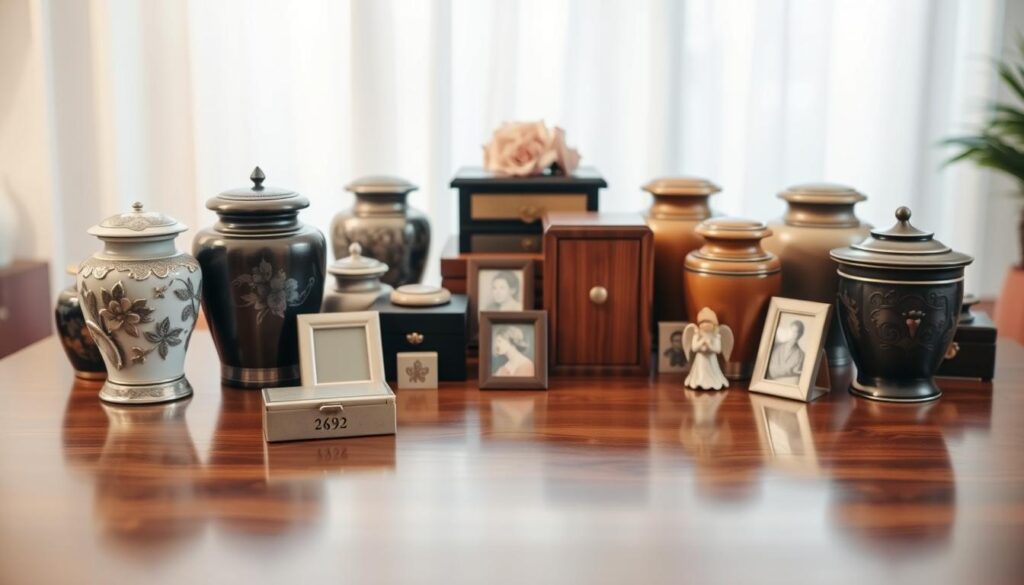
Once the cremation process is complete, families are left to decide how to handle the remains. Cremation urns are a popular choice, offering a dignified way to store the ashes. Urns come in a variety of styles, materials, and designs, allowing families to select one that reflects their loved one's personality. Additionally, keepsakes such as jewelry, memorial stones, or other personalized items can be used to honor the deceased and provide a tangible connection to their memory.
Cremation services offer a range of benefits, from flexibility and cost-effectiveness to the ability to personalize the memorialization process. Whether through direct cremation, cremation with a memorial service, or cremation with a traditional funeral, families have numerous options to honor their loved ones in a meaningful way.
Memorial Services and Celebrations of Life
The traditional funeral service is being reimagined through memorial services and celebrations of life, offering families more personalized ways to honor their loved ones. These events are tailored to reflect the personality, interests, and accomplishments of the deceased.
Customized Memorial Events
Customized memorial events allow families to create unique ceremonies that celebrate the life of their loved one. This can include personalized themes, special music selections, and customized decorations that reflect the individual's personality and interests.
Video Tributes and Memory Displays
Video tributes and memory displays are becoming increasingly popular in memorial services. These visual elements can include photos, videos, and personal mementos that highlight the person's life journey, achievements, and cherished moments.
Non-Traditional Celebration Venues
Families are now choosing non-traditional venues for memorial services, such as parks, museums, or event spaces, to create a more relaxed and personalized atmosphere. This shift allows for more flexibility in planning a ceremony that truly honors the deceased.
| Aspect | Traditional Funeral | Memorial Service/Celebration of Life |
|---|---|---|
| Venue | Funeral Home or Church | Varied, including non-traditional spaces |
| Customization | Limited personalization | Highly personalized |
| Focus | Mourning the loss | Celebrating the person's life |
Pre-Planning Funeral Services
Advance planning for funeral services allows individuals to make informed decisions about their own funeral, ensuring their wishes are respected. This proactive approach can significantly ease the burden on family and friends during a difficult time.
Benefits of Advance Planning
Pre-planning funeral services offers numerous benefits, including the ability to make informed decisions about the type of service desired, the funeral home to be used, and the financial arrangements. Advance planning allows individuals to lock in current prices for funeral services, potentially saving money. It also ensures that personal wishes are carried out as intended.
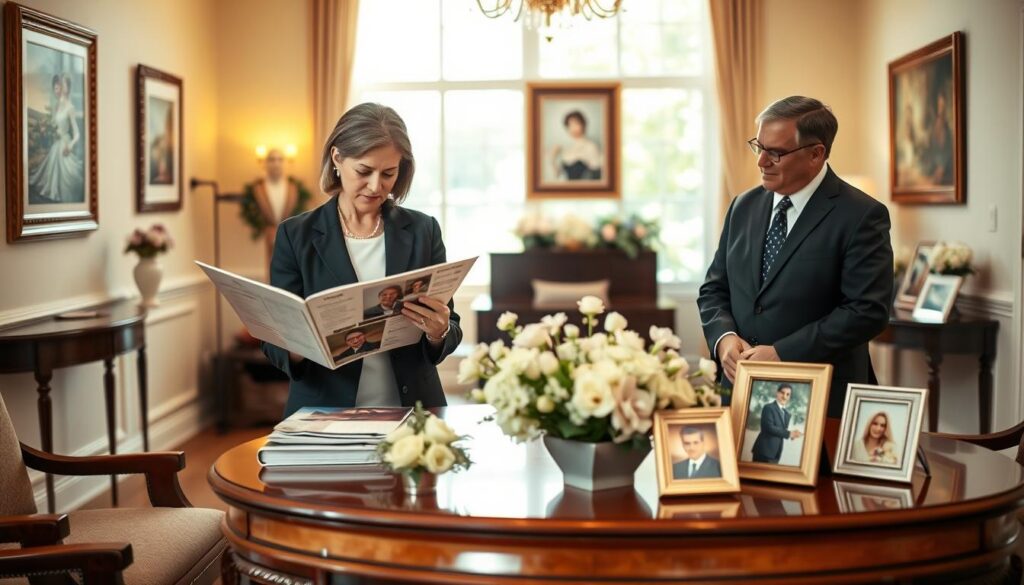
Pre-Payment Plans and Options
Many funeral homes offer pre-payment plans that allow individuals to pay for their funeral services in advance. These plans can be beneficial as they allow individuals to pay for services at today's prices, potentially saving money in the long run. Pre-payment plans can be structured in various ways, including lump sum payments or installment plans.
Legal Documentation and Wishes
An essential part of pre-planning involves creating legal documentation that outlines one's wishes regarding funeral arrangements. This may include specifying the type of funeral service, burial or cremation preferences, and any other relevant details.
Designating a Funeral Representative
As part of the pre-planning process, it's crucial to designate a funeral representative who will be responsible for carrying out the instructions as outlined in the legal documentation. This individual should be someone trusted to ensure that the deceased's wishes are respected and implemented.
By pre-planning funeral services, individuals can ensure that their funeral is conducted according to their preferences, providing peace of mind for themselves and their loved ones.
Burial Options and Cemetery Services
Cemetery services and burial options are diverse, catering to different cultural, environmental, and personal preferences. Families in the United States can choose from a range of burial options, each with its unique characteristics and benefits.
Traditional Ground Burial
Traditional ground burial remains one of the most common choices. It involves the interment of the deceased in a cemetery plot, typically marked by a headstone or grave marker. This option allows for visitation and memorialization at the gravesite.
Mausoleum Entombment
Mausoleum entombment is another option, where the deceased is placed in a mausoleum, a structure designed to house tombs above ground. Mausoleums can be private or public and offer a different kind of memorialization.
Green Burial Alternatives
For those concerned about environmental impact, green burial alternatives are gaining popularity. These burials are conducted in a way that minimizes environmental harm, often using biodegradable materials and avoiding embalming fluids.
Natural Conservation Burial Grounds
Natural conservation burial grounds take the concept of green burial a step further by integrating the burial site into a conservation area. This not only provides a serene resting place but also contributes to the preservation of natural habitats.
The following table summarizes the key features of the burial options discussed:
| Burial Option | Key Features | Environmental Impact |
|---|---|---|
| Traditional Ground Burial | Interment in a cemetery plot, headstone or grave marker | Moderate |
| Mausoleum Entombment | Above-ground entombment, private or public mausoleums | Low to Moderate |
| Green Burial | Biodegradable materials, no embalming fluids | Low |
| Natural Conservation Burial Grounds | Integration into conservation areas, preservation of natural habitats | Minimal |
Understanding these burial options and cemetery services can help individuals make informed decisions that align with their values and preferences. Whether opting for a traditional burial or an eco-friendly alternative, the choice reflects a personal or familial decision that honors the deceased.
Cultural and Religious Funeral Services
The United States is a melting pot of cultures and religions, and funeral homes reflect this diversity by providing specialized funeral services. Funeral homes across the country cater to various cultural and religious traditions, ensuring that the deceased are honored according to their beliefs and customs.
Christian Funeral Traditions
Christian funeral traditions vary across different denominations. Catholic, Protestant, and Orthodox practices each have unique rituals and customs.
Catholic, Protestant, and Orthodox Practices
Catholic funerals typically involve a Requiem Mass, where prayers and hymns are offered for the deceased. Protestant funerals may include a service at a church or funeral home, with elements such as eulogies and hymns. Orthodox Christian funerals are known for their rich liturgical traditions, including chanting and the veneration of icons.
| Denomination | Typical Funeral Elements |
|---|---|
| Catholic | Requiem Mass, Prayers for the Deceased |
| Protestant | Church or Funeral Home Service, Eulogies, Hymns |
| Orthodox | Liturgy, Chanting, Veneration of Icons |
Jewish Funeral Customs
Jewish funeral customs are guided by religious law and tradition. The funeral service is typically simple and straightforward, with an emphasis on respecting the deceased.
Islamic Funeral Practices
Islamic funeral practices involve a Janazah prayer, which is a communal prayer for the deceased. The body is washed and shrouded before the prayer, and burial takes place as soon as possible.
Other Religious and Cultural Accommodations
Funeral homes also accommodate other religious and cultural practices, including Hindu, Buddhist, and Native American traditions. Each of these cultures has its unique funeral customs and rituals, and funeral homes work to respect and honor these practices.
In conclusion, the diversity of cultural and religious funeral services in the United States is a reflection of the country's multicultural society. Funeral homes play a crucial role in providing services that respect and honor the beliefs and customs of the deceased and their families.
Digital and Virtual Funeral Services
Digital funeral services are revolutionizing the way people say goodbye, offering new ways to honor and remember loved ones. The integration of technology into funeral services has made it possible for families to hold ceremonies that are more inclusive and accessible.
Livestreamed Services
Livestreaming has become a vital component of modern funeral services, allowing friends and family who cannot be physically present to participate in the ceremony. This technology provides a way for people to share in the grieving process, regardless of their geographical location.
Benefits of Livestreamed Services:
- Enables global participation
- Provides comfort to those unable to attend in person
- Creates a digital record of the service
Online Memorial Pages
Online memorial pages serve as a digital space where loved ones can share memories, photos, and stories about the deceased. These pages can be a meaningful way to celebrate a person's life and provide a lasting tribute.
Features of Online Memorial Pages:
- Sharing of photos and stories
- Guestbook for condolences
- Donation links to charity
Digital Legacy Management
Managing a person's digital legacy after they pass away is becoming increasingly important. This involves handling their online presence, including social media accounts, digital assets, and other online data.
| Aspect of Digital Legacy | Description | Management Considerations |
|---|---|---|
| Social Media | Accounts on platforms like Facebook, Twitter | Memorialization or deletion |
| Digital Assets | Photos, videos, documents stored online | Access and distribution to family |
| Email Accounts | Personal and professional emails | Notification of contacts, data backup |
Costs and Financial Aspects of Funeral Services
Understanding the financial aspects of funeral services is crucial for families to make informed decisions during a difficult time. The costs associated with funerals can vary significantly based on the type of service, location, and other factors.
Breakdown of Typical Funeral Expenses
Funeral expenses can include a range of costs such as funeral home services, burial or cremation, embalming, and other miscellaneous expenses. Here are some typical costs associated with funeral services:
- Funeral home services: $1,000 - $5,000
- Burial or cremation: $1,000 - $3,000
- Embalming: $500 - $1,000
- Casket or urn: $500 - $2,000
- Other expenses (flowers, obituary, etc.): $500 - $1,000
Insurance and Payment Options
Many funeral homes offer various payment options and accept insurance to help manage funeral expenses. Funeral insurance is a type of insurance designed to cover funeral costs, reducing the financial burden on families.
Some funeral homes also offer pre-payment plans, allowing families to pay for funeral services in advance. This can help in budgeting and ensuring that funeral expenses are covered.
Veterans and Social Security Benefits
Veterans and their families may be eligible for benefits to help cover funeral expenses. These benefits can include:
- Military honors and allowances
- Burial in a national cemetery
- Headstone or marker
- U.S. flag
Military Honors and Allowances
Military honors are a way to show respect for the service and sacrifice of veterans. Families can also receive allowances to help cover funeral expenses. It's essential to check with the Department of Veterans Affairs for specific benefits and eligibility.
By understanding the costs and financial aspects of funeral services, families can make more informed decisions and ensure that they are taking advantage of available benefits and resources.
Making Informed Decisions About Funeral Services
Planning a funeral can be a daunting task, but making informed decisions can help ease the burden on loved ones. By understanding the various funeral services available, individuals can make choices that reflect their personal preferences and values.
Funeral planning involves considering factors such as traditional funeral services, cremation, memorial services, and burial options. It's essential to weigh the costs and benefits of each choice, as well as any cultural or religious traditions that may impact funeral decisions.
By taking the time to plan ahead and communicate their wishes, individuals can ensure that their funeral services are carried out according to their desires. This can also help reduce the emotional and financial burden on family and friends.
Ultimately, making informed decisions about funeral services requires careful consideration of the options available. By doing so, individuals can create a meaningful and personalized celebration of life that honors their loved one.
FAQ
What types of funeral services are typically offered by funeral homes in the United States?
Funeral homes in the United States typically offer a range of services, including traditional funeral services, cremation services, memorial services, and pre-planning services. These services can be tailored to meet the specific needs and wishes of the family.
What is the difference between a traditional funeral service and a memorial service?
A traditional funeral service typically involves a viewing or visitation, a formal funeral ceremony, and a graveside service. A memorial service, on the other hand, is a ceremony held to honor the deceased without the presence of the body.
What are the benefits of pre-planning funeral services?
Pre-planning funeral services allows individuals to make their wishes known, reduces the burden on loved ones, and can help to lock in costs. It also provides an opportunity to make informed decisions about the type of service and arrangements.
What is direct cremation, and how does it differ from other cremation options?
Direct cremation is a process where the body is cremated without a formal funeral service or viewing. This option is often less expensive than traditional funeral services and can be followed by a memorial service or celebration of life.
Can funeral homes accommodate different cultural and religious traditions?
Yes, many funeral homes have experience with various cultural and religious traditions and can accommodate specific customs and rituals. It's essential to discuss your needs and wishes with the funeral home to ensure they can meet your requirements.
What are the costs associated with funeral services, and how can they be managed?
The costs of funeral services can vary widely depending on the type of service, location, and other factors. Funeral homes can provide a detailed breakdown of costs, and families can explore options such as insurance, pre-payment plans, and veterans' benefits to help manage expenses.
How can technology be used in funeral services?
Technology can be used in various ways, including livestreaming services, creating online memorial pages, and managing digital legacies. Many funeral homes now offer these services to help families honor their loved ones in new and innovative ways.
What is the role of a funeral director in planning and coordinating funeral services?
A funeral director plays a crucial role in planning and coordinating funeral services, including managing logistics, coordinating with cemeteries and crematories, and providing guidance and support to families.