
When it comes to planning for the future, one of the most significant decisions individuals face is choosing between burial and cremation. This decision is a crucial aspect of end-of-life plans, and it's essential to consider various factors before making a choice.
Funeral services and traditions play a significant role in this decision-making process. Understanding the options available and the associated costs can help individuals make informed decisions that align with their personal preferences and financial situation.

By considering these factors and understanding the available options, individuals can create a personalized plan that meets their needs and provides peace of mind for themselves and their loved ones.
Understanding Your End-of-Life Options
As you navigate the complexities of end-of-life planning, it's essential to explore the available options carefully. This involves considering various factors that can influence your decision, including personal values, family traditions, and the practical aspects of each choice.
The Importance of Pre-Planning
Pre-planning your end-of-life arrangements can significantly reduce the burden on your loved ones during a difficult time. By making decisions in advance, you can ensure that your wishes are respected and that your family is not left to make tough decisions without your guidance. Pre-planning allows you to consider your options carefully and make informed decisions about your final arrangements.
How Personal Values Influence Your Decision
Personal values play a significant role in the decision between burial and cremation. Your beliefs about the afterlife, the environment, and the importance of tradition can all influence your choice. Reflecting on your personal values can help you make a decision that aligns with your beliefs and provides comfort to your loved ones.
Considering Family Traditions
Family traditions and cultural practices often influence end-of-life decisions. For many, following the customs of their ancestors is an important way to honor their heritage. Considering these traditions can help guide your decision-making process.
Reflecting on Personal Beliefs
Your personal beliefs about death and the afterlife can also impact your choice between burial and cremation. Taking the time to reflect on these beliefs can help you make a decision that is consistent with your values and provides a sense of closure for your loved ones.
The Burial Process Explained
Understanding the burial process is crucial for making informed decisions about end-of-life arrangements. The burial process encompasses a range of decisions, including traditional burial procedures and green burial alternatives.
Traditional Burial Procedures
Traditional burial involves several steps, starting with embalming, which is the process of preserving the body to delay decay and make it suitable for viewing.
Embalming Considerations
Embalming is not always required by law, but it is often necessary if there is to be a viewing or if the body is to be transported across state lines. The decision to embalm should consider the family's wishes, the condition of the body, and any religious or cultural practices.
Casket and Vault Options
Choosing a casket and vault is a significant part of traditional burial. Caskets are available in various materials, such as metal, wood, or eco-friendly options. A vault is a container that houses the casket, typically made of concrete or metal, designed to prevent the ground from sinking over time.
Green Burial Alternatives
For those concerned about the environmental impact, green burial offers an alternative. Green burial involves biodegradable caskets or shrouds and avoids embalming fluids, reducing the ecological footprint.
Required Documentation and Preparations
Regardless of the type of burial chosen, certain documentation is required, including a death certificate and burial permit. Families should also consider pre-planning arrangements to ease the burden on loved ones.
The Cremation Process Explained
Understanding the cremation process is essential for those considering it as an end-of-life option. Cremation involves several steps, from initial preparation to the final disposition of remains.
How Cremation Works
Cremation is a process that reduces the body to its basic elements through heat and flame. It typically takes place in a cremation chamber within a crematorium. The process usually takes around 2-3 hours, depending on the size of the deceased and the type of cremation equipment used.
Options for Cremated Remains
After cremation, the remains are processed into a fine powder, often referred to as cremated remains or ashes. There are several options for handling these remains:
Urns and Keepsakes
Urns are containers designed to hold cremated remains. They come in various materials, such as metal, wood, or ceramic, and can be personalized to reflect the deceased's personality or preferences. Keepsakes are smaller containers that hold a portion of the cremated remains, allowing family members to keep a personal memorial.
Scattering and Memorial Gardens
Scattering involves releasing the cremated remains in a designated area, such as a memorial garden or a natural setting that held significance for the deceased. Memorial gardens are specially designed spaces that provide a serene environment for remembrance and reflection.
Required Documentation and Preparations
To proceed with cremation, certain documentation is required, including a death certificate and cremation authorization form. Preparations may also involve selecting an urn or planning a memorial service. It's advisable to consult with a funeral director or cremation service provider to ensure all necessary steps are taken.
| Documentation | Description | Responsible Party |
|---|---|---|
| Death Certificate | Official document confirming death | Medical Professional/Funeral Home |
| Cremation Authorization | Form authorizing cremation | Legal Next of Kin |
| Permits | Local permits required for cremation or scattering | Funeral Home/Cremation Service |
Burial or Cremation: Cost Comparison in America
When considering end-of-life arrangements, understanding the financial implications of burial versus cremation is crucial. The cost difference between these two options can significantly impact a family's decision-making process.
Average Costs of Traditional Burial in the US
The average cost of a traditional burial in the United States is substantial, encompassing various expenses such as the casket, burial plot, and funeral service. Funeral costs can range from $7,000 to $10,000 or more, depending on the location and services chosen.
Average Costs of Cremation Services
In contrast, cremation costs are generally lower, with the national average ranging from $2,000 to $5,000. This includes the cremation process itself, as well as any additional services such as a memorial or viewing.
Hidden Expenses to Anticipate
Beyond the initial costs, there are several hidden expenses to consider when planning for either burial or cremation. These can include:
- Cemetery perpetual care fees
- Memorial service expenses
- Headstone or marker costs
Cemetery Perpetual Care Fees
Cemetery fees can vary significantly, with perpetual care fees ensuring the long-term maintenance of the burial site. These fees are typically paid upfront or through a trust fund.
Memorial Service Expenses
Memorial service expenses can add to the overall cost, including costs for the venue, catering, and other services. Planning ahead can help mitigate these expenses.
Understanding these costs can help individuals and families make informed decisions about their end-of-life arrangements, ensuring that their choices align with their financial situation and personal preferences.
Religious and Cultural Perspectives
End-of-life practices, including burial and cremation, are deeply rooted in religious and cultural traditions. The choice between these options is often influenced by an individual's faith, cultural background, and personal values.
Major Religious Views on Burial and Cremation
Different religions have distinct views on burial and cremation. For instance, some religions traditionally practice burial, while others prefer cremation.
Christianity, Judaism, and Islam
Christianity and Judaism generally favor burial, emphasizing the respect for the body. In Judaism, burial is considered a sign of respect for the deceased. Islam also traditionally practices burial, with the body washed and wrapped in a simple white cloth. Christianity has varying views, with some denominations accepting cremation.
Hinduism, Buddhism, and Other Faiths
Hinduism and Buddhism traditionally practice cremation. In Hinduism, cremation is believed to release the soul from the body. Buddhism also favors cremation, viewing it as a way to let go of the physical form.
| Religion | Traditional Practice |
|---|---|
| Christianity | Burial (some denominations accept cremation) |
| Judaism | Burial |
| Islam | Burial |
| Hinduism | Cremation |
| Buddhism | Cremation |
American Cultural Traditions and Their Influence
American cultural traditions are diverse, influenced by the various religious and ethnic groups that make up the population. The choice between burial and cremation reflects this diversity, with practices varying widely across different communities.
Environmental Impact Considerations
As concern for the environment grows, understanding the ecological implications of end-of-life choices becomes increasingly important. The decision between burial and cremation has a significant impact on the environment, influenced by factors such as land use, resource consumption, and emissions.
Ecological Footprint of Traditional Burial
Traditional burial practices have several environmental consequences. These include:
- Land use for cemeteries, leading to deforestation and habitat destruction
- Resource consumption for coffins, embalming fluids, and grave preparation
- Potential groundwater contamination from embalming fluids
Eco-friendly burial alternatives are emerging as a response to these concerns, focusing on sustainable materials and practices that minimize environmental harm.
Environmental Effects of Cremation
Cremation, while often considered a more environmentally friendly option than traditional burial, has its own set of environmental impacts. These include:
- Emissions of greenhouse gases and particulate matter
- Release of mercury from dental amalgam during the cremation process
- Energy consumption for the cremation process
However, advancements in cremation technology are being developed to reduce these effects.
Eco-Friendly Alternatives Available in the US
In response to the environmental concerns associated with traditional burial and cremation, several eco-friendly alternatives are gaining popularity in the US. These include:
- Green Burial: Focuses on biodegradable materials and natural burial sites.
- Natural Organic Reduction (Human Composting): Converts human remains into compost.
- Aquamation (Alkaline Hydrolysis): A water-based process that breaks down human remains.
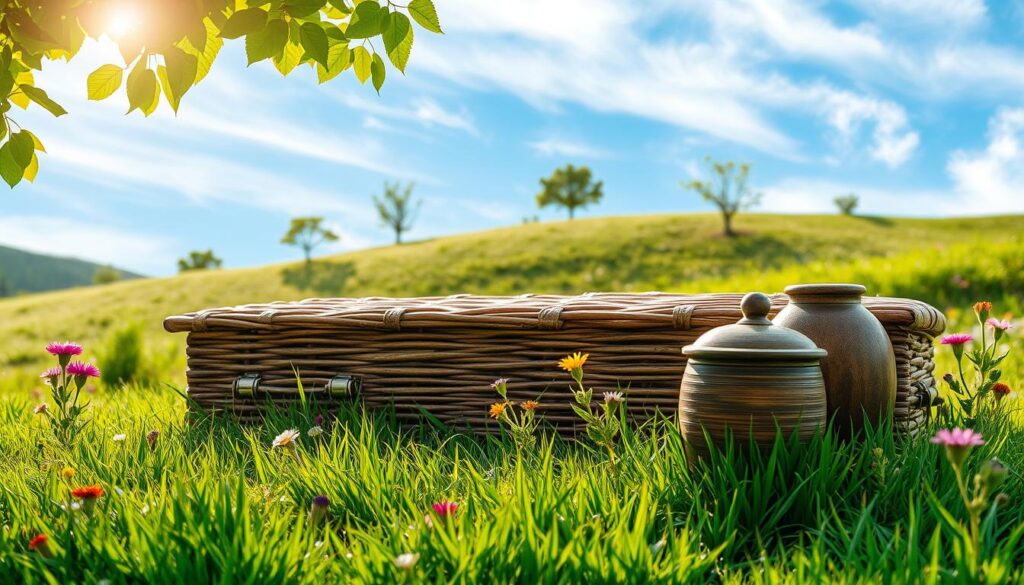
These alternatives offer individuals more choices to align their end-of-life arrangements with their environmental values.
Legal Requirements and Regulations
The legal framework surrounding end-of-life choices is multifaceted and varies by state. Understanding these regulations is essential for making informed decisions about burial or cremation.
State-Specific Laws for Burial
Burial laws differ significantly from one state to another. For instance, some states have specific requirements for the depth of graves, while others may have regulations regarding the type of casket or burial container allowed. It's crucial to familiarize yourself with the local laws and regulations in your area.
Cremation Regulations in the United States
Cremation regulations are also subject to state laws, with some states requiring a waiting period before cremation can take place. Additionally, there are regulations governing the handling and disposal of cremated remains. Understanding these regulations can help ensure that your wishes are respected.
Transporting Remains Across State Lines
Transporting human remains across state lines involves specific legal requirements, including obtaining a death certificate and a permit for transportation. It's essential to check with the relevant authorities in both the state where the death occurred and the state where the remains will be transported to understand the necessary procedures.
| State | Burial Requirements | Cremation Waiting Period |
|---|---|---|
| California | Specific grave depth requirements | 24 hours |
| New York | Regulations on casket materials | 48 hours |
| Texas | Local permits required | No waiting period |
By understanding the legal requirements and regulations surrounding burial and cremation, individuals can make informed decisions that comply with state laws and respect their personal wishes.
Family Considerations and Grief Processing
Grieving families must navigate the complexities of end-of-life options, where the choice between burial and cremation can influence their healing journey. The process of grieving is highly personal and can be significantly affected by the type of funeral or memorial service chosen.
How Each Option Affects the Grieving Process
The decision between burial and cremation can have a profound impact on how families grieve. Traditional burials often provide a physical place for mourning and memorialization, which can be comforting for many. On the other hand, cremation offers flexibility in memorialization options, which can be appealing to those looking for non-traditional ways to honor their loved ones.
Creating Meaningful Memorial Experiences
Creating meaningful memorial experiences is crucial for the grieving process. This can be achieved through various types of services and ceremonies.
Visitation and Funeral Services
Visitation and funeral services provide an opportunity for family and friends to come together and pay their respects. These services can be tailored to reflect the personality and preferences of the deceased, making them a meaningful part of the grieving process.
Memorial Services and Celebrations of Life
Memorial services and celebrations of life offer alternative ways to honor the deceased without the presence of the body. These can be particularly meaningful for families who choose cremation or prefer a less traditional approach to memorialization.
| Memorialization Option | Characteristics | Impact on Grieving |
|---|---|---|
| Traditional Burial | Physical grave site, formal funeral service | Provides a place for visitation and mourning |
| Cremation with Memorial Service | Flexible memorialization options, can be held at various locations | Offers flexibility in honoring the deceased, can be less traditional |
Personalizing Your Final Arrangements
Creating personalized final arrangements is a meaningful way to celebrate a loved one's life. This personal touch can be applied to both burial and cremation services, allowing families to honor their loved ones in a unique and meaningful way.
Customization Options for Burial Services
Burial services can be customized to reflect the personality and preferences of the deceased. This can include selecting a specific burial site, choosing a unique casket, or incorporating personal elements into the service.
Creative Memorialization with Cremation
Cremation offers various creative memorialization options. Families can choose from a range of urns, or opt for more innovative methods such as:
- Cremation Jewelry and Art: Incorporating cremated remains into jewelry or art pieces.
- Memorial Plantings and Reef Balls: Using cremated remains to nourish plants or create reef balls that support marine life.
Cremation Jewelry and Art
Cremation jewelry and art provide a beautiful way to keep loved ones close. These pieces can be customized to hold a small portion of the cremated remains.
Memorial Plantings and Reef Balls
Memorial plantings and reef balls are eco-friendly options that contribute to the environment. They serve as a living memorial, symbolizing the cycle of life.

Alternative End-of-Life Options Beyond Burial or Cremation
As individuals consider their end-of-life options, some are exploring alternatives beyond traditional burial or cremation. These alternatives offer unique benefits and cater to different personal, environmental, and financial considerations.
Aquamation (Alkaline Hydrolysis)
Aquamation, also known as alkaline hydrolysis, is a water-based process that breaks down the body into its basic elements. This method uses a solution of water and alkali to accelerate the natural decomposition process, resulting in a more environmentally friendly option compared to traditional cremation.
Natural Organic Reduction (Human Composting)
Natural Organic Reduction, commonly referred to as human composting, is a process that converts human remains into nutrient-rich soil. This eco-friendly alternative to burial and cremation involves decomposing the body in a controlled environment, creating a valuable resource for landscaping and reforestation efforts.
Body Donation to Science
Body donation to science is another alternative end-of-life option, where the deceased is donated to medical research and education. This can involve:
- University Medical Programs: Many medical schools accept body donations for the purpose of teaching anatomy and surgical techniques.
- Research Facilities: Various research institutions use donated bodies to advance medical science and develop new treatments.
Donating one's body to science can be a meaningful way to contribute to the advancement of medical knowledge and education.
Pre-Planning and Communicating Your Wishes
Pre-planning your end-of-life arrangements is a thoughtful way to ensure your wishes are respected. This process involves several key steps that help you make informed decisions and communicate them effectively to your loved ones.
Documentation and Legal Preparations
Proper documentation is essential for pre-planning. This includes creating a will, establishing advance directives, and completing any necessary legal forms. It's crucial to ensure that these documents are up-to-date and reflect your current wishes. You may also want to consider pre-paying for funeral expenses or setting aside funds for final arrangements.
Discussing Your Decisions with Loved Ones
Communicating your end-of-life wishes to your loved ones is a vital part of the pre-planning process. Open and honest discussions can help prevent misunderstandings and ensure that your preferences are honored. It's recommended to have these conversations with family members and close friends, providing them with the opportunity to ask questions and understand your decisions.
Working with Funeral Directors and End-of-Life Planners
Funeral directors and end-of-life planners can provide valuable guidance throughout the pre-planning process. They can help you understand your options, make informed decisions, and ensure that your wishes are carried out. By working with these professionals, you can create a personalized plan that reflects your preferences and provides peace of mind for you and your loved ones.
Honoring Your Legacy: Making the Right Choice for You
Making informed decisions about your end-of-life choices is a significant step in honoring your legacy. As you've explored the options of burial and cremation, it's essential to consider what truly reflects your personal decisions and values.
Your legacy is not just about the final arrangements; it's about the memories, love, and impact you've shared with your family and community. By pre-planning and communicating your wishes, you ensure that your end-of-life choices are respected and carried out as you desire.
Whether you choose burial or cremation, the key is to make a decision that aligns with your personal values and provides comfort to your loved ones. Reflecting on your legacy and the impact of your choices can help guide you toward a decision that feels right for you.
FAQ
What are the main differences between burial and cremation?
Burial involves interring the deceased in a cemetery, while cremation involves reducing the body to ashes through a high-temperature process.
How do I choose between burial and cremation?
Consider personal values, family traditions, and cultural or religious beliefs when deciding between burial and cremation.
What are the costs associated with traditional burial in the US?
The average cost of a traditional burial in the US can range from $7,000 to $10,000, including the casket, vault, and cemetery fees.
How much does cremation typically cost?
Cremation costs can vary, but on average, direct cremation can cost between $1,000 to $3,000, while a cremation with a memorial service can cost $3,000 to $6,000.
Are there any eco-friendly alternatives to traditional burial and cremation?
Yes, options like green burial, aquamation, and natural organic reduction are becoming increasingly popular as environmentally friendly alternatives.
What are the legal requirements for burial and cremation in the US?
Laws and regulations vary by state, but generally, a death certificate and permit are required for both burial and cremation, and specific documentation is needed for transporting remains across state lines.
Can I personalize my final arrangements?
Yes, you can customize your burial or cremation services with various options, such as unique caskets, urns, or memorialization choices like cremation jewelry or memorial plantings.
How can I pre-plan and communicate my end-of-life wishes?
You can pre-plan by documenting your wishes, discussing them with loved ones, and working with funeral directors or end-of-life planners to ensure your decisions are respected.
What are some alternative end-of-life options beyond burial and cremation?
Alternatives include aquamation, natural organic reduction, and body donation to science, which can be considered as unique and meaningful options.
How do different religions view burial and cremation?
Various religions have different views on burial and cremation, such as Christianity and Judaism often preferring burial, while Hinduism and Buddhism may prefer cremation.